
The Girl and The Shadow
The conceptual history of the “shadow” dates back to Pliny the Elder and Plato.
For the Roman writer, shadow-tracing marked the origin of artistic representation (the irony!); for the Greek philosopher, it was a visual illusion that, once recognized and outrun, could lead to true knowledge.
Many centuries later, Carl Jung envisioned the shadow as an unconscious and repressed part of the personality —something hidden and dark, to be integrated in order to be, and feel, whole.
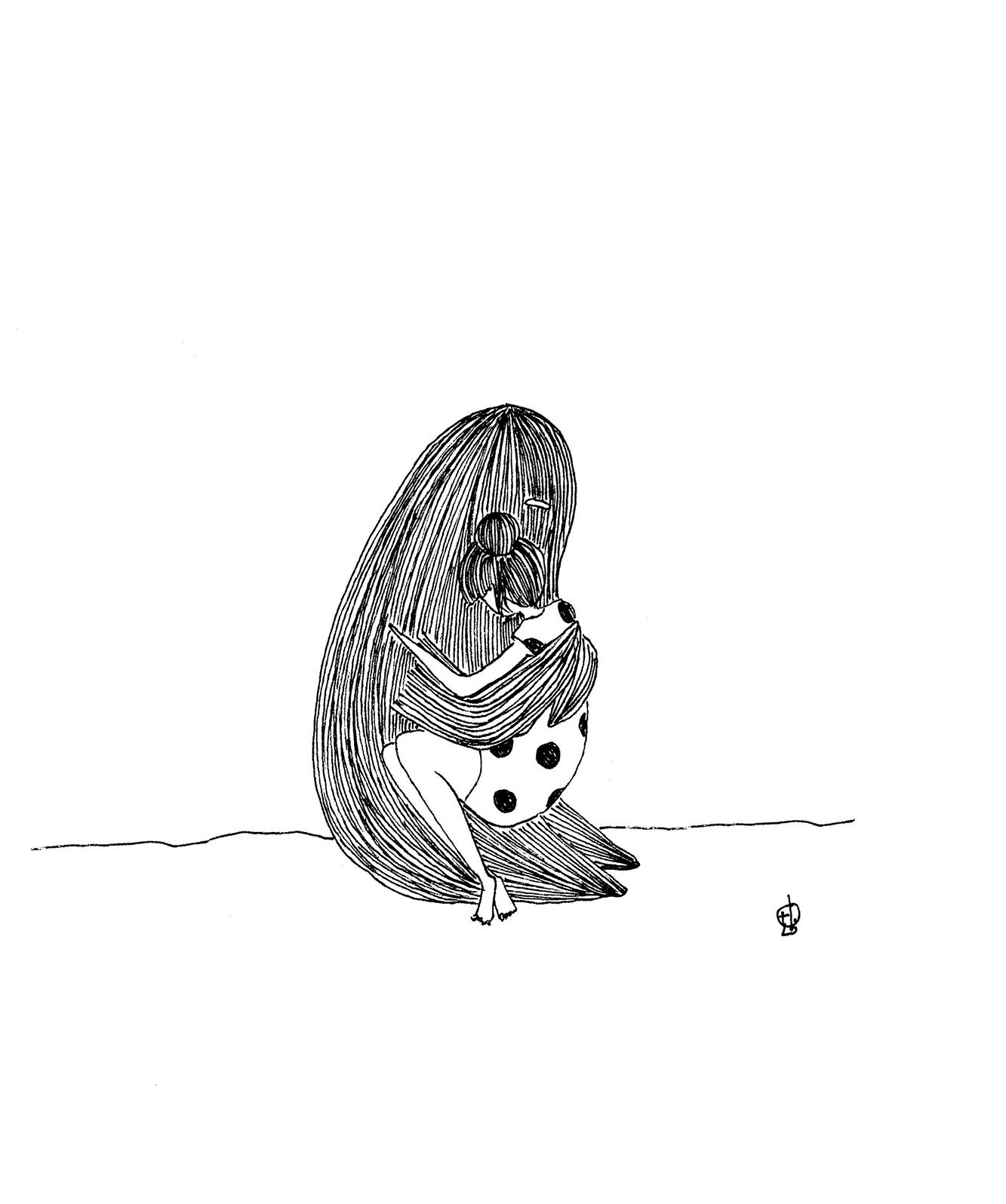
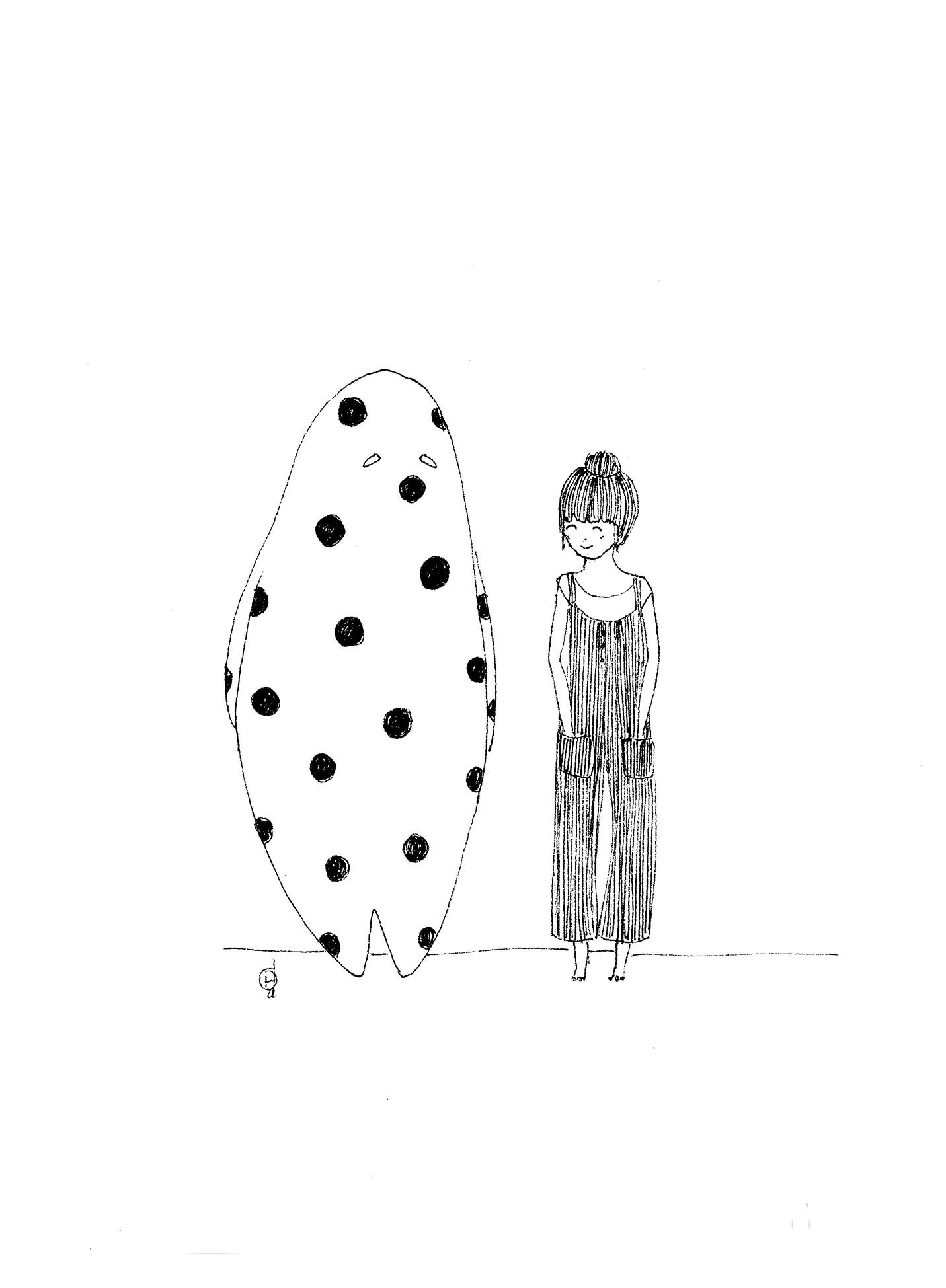
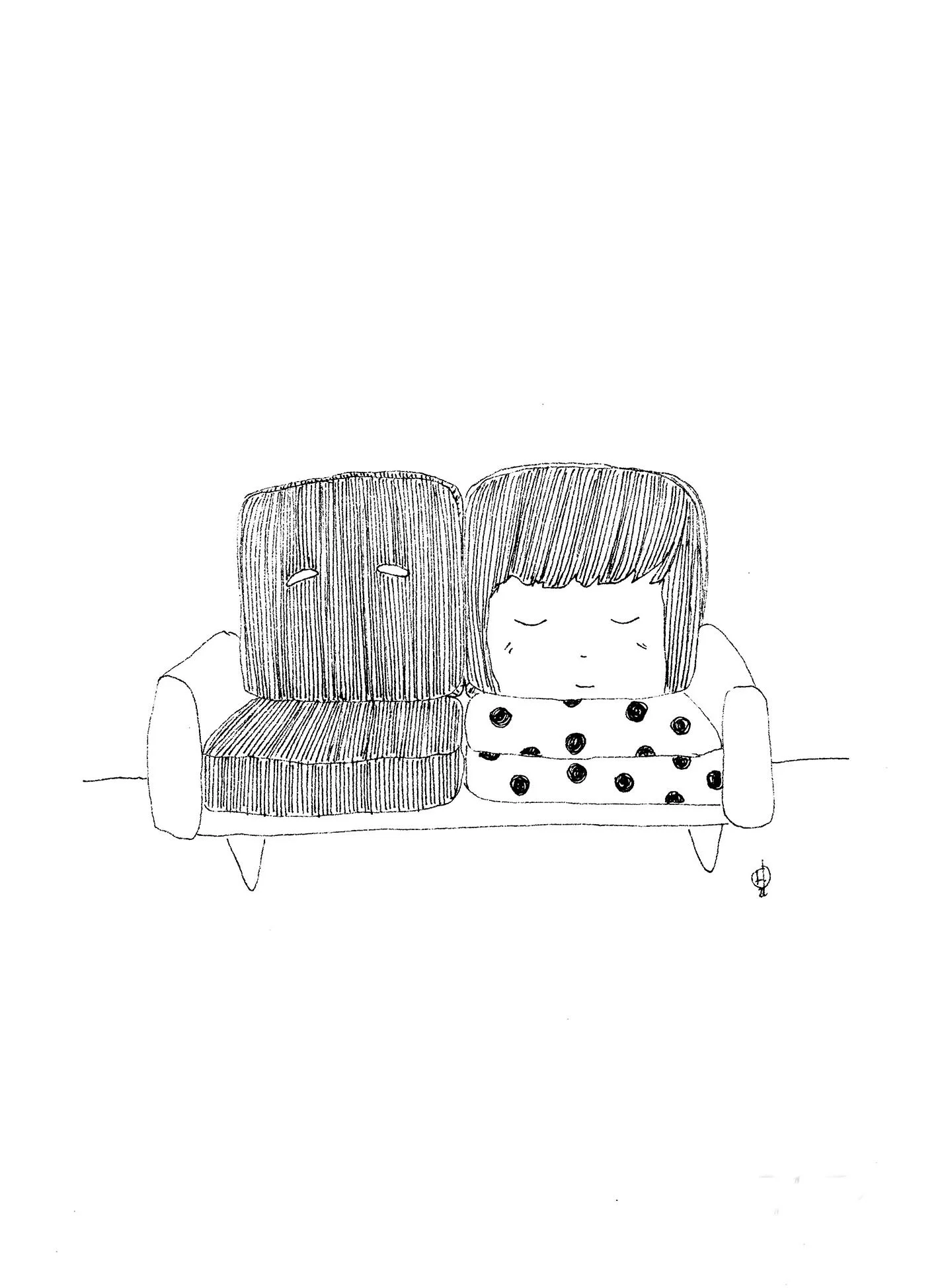
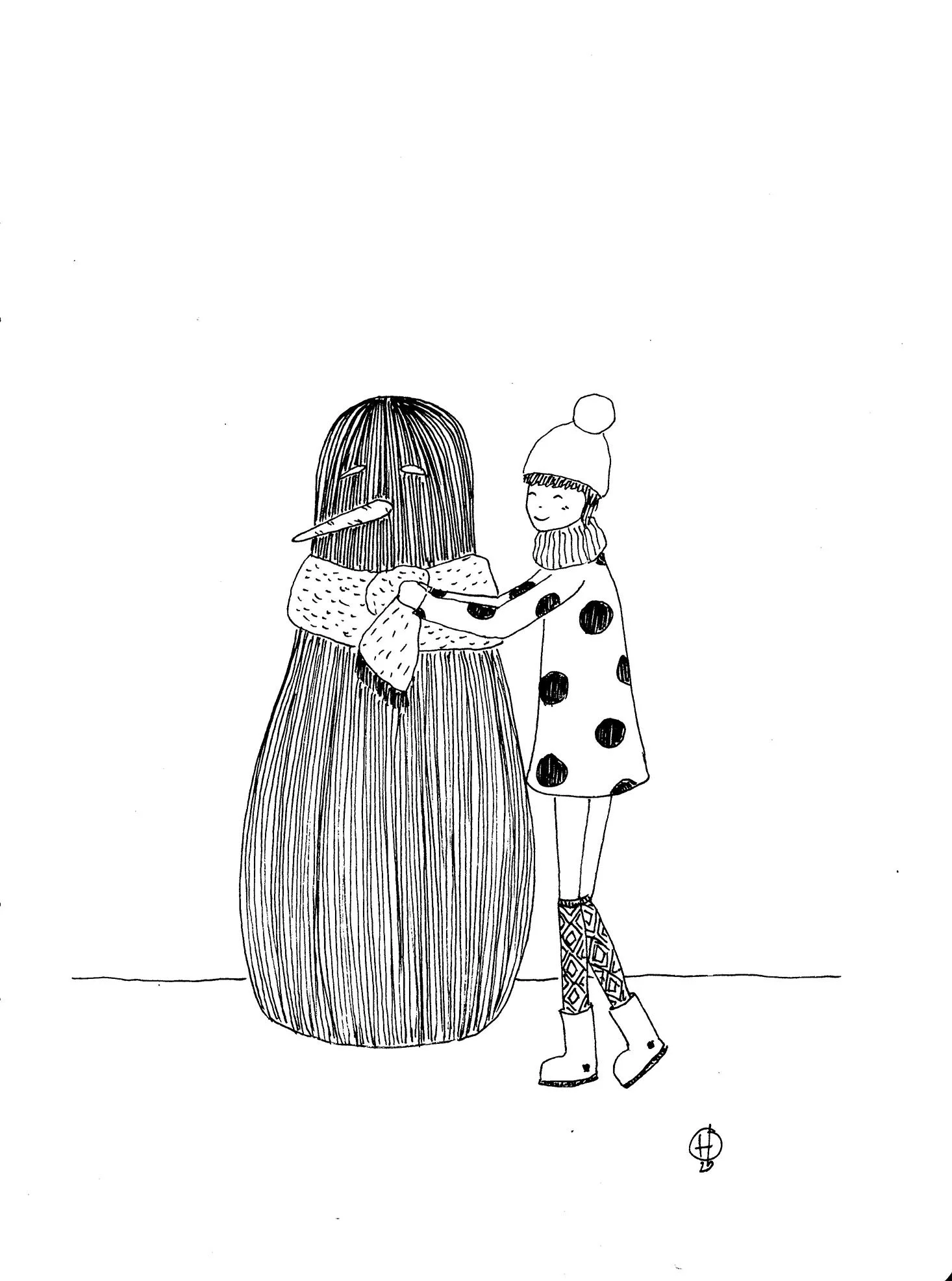
My shadow has eyes, and it carries the wisdom of yore. It is part of me, and yet not me.
It is a companion, a shelter and an harbinger of where light ends — and where it begins.
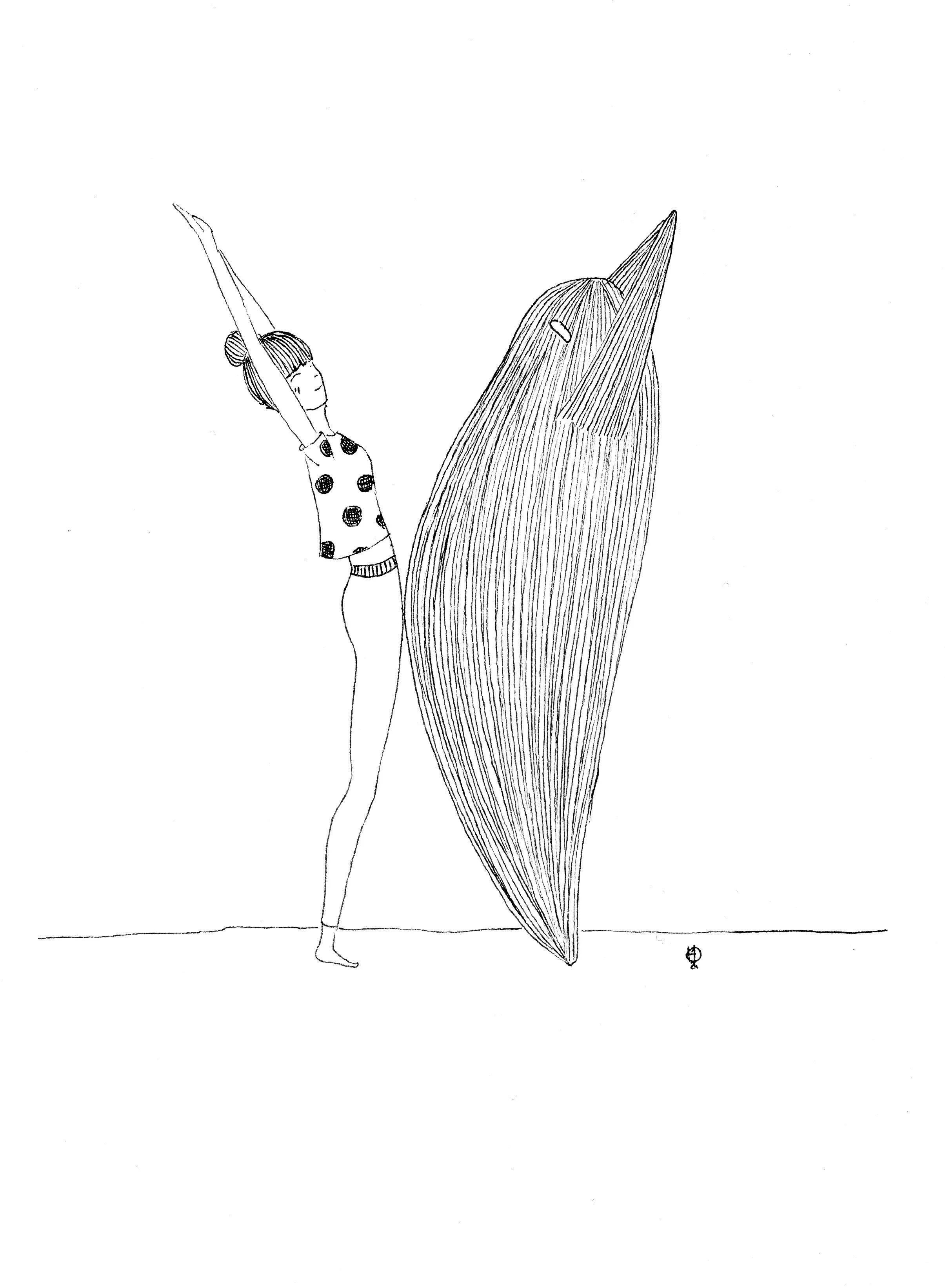
Ardha Uttanasana

Balasana

Ado Mukha Svanasana
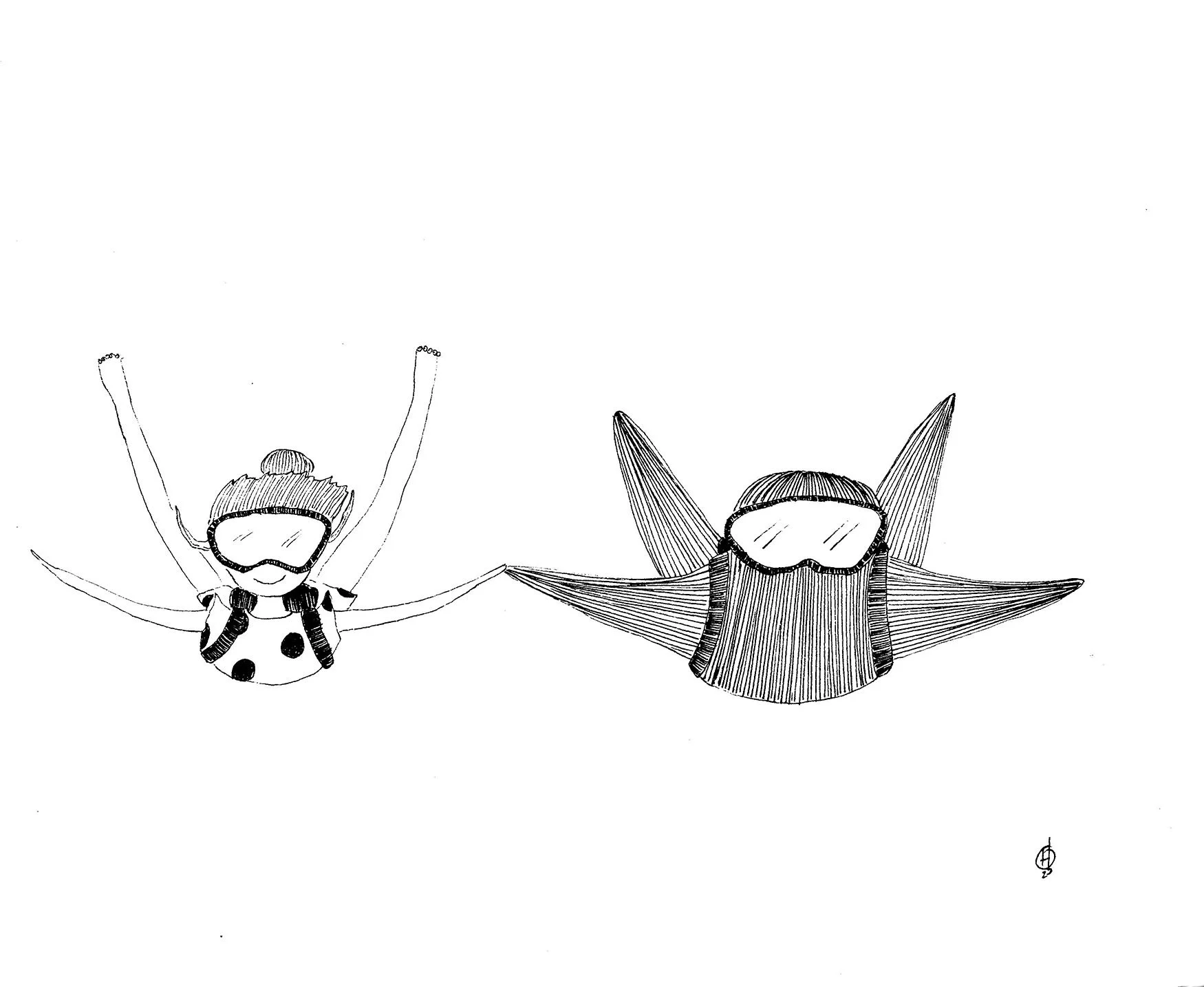
Freefalling
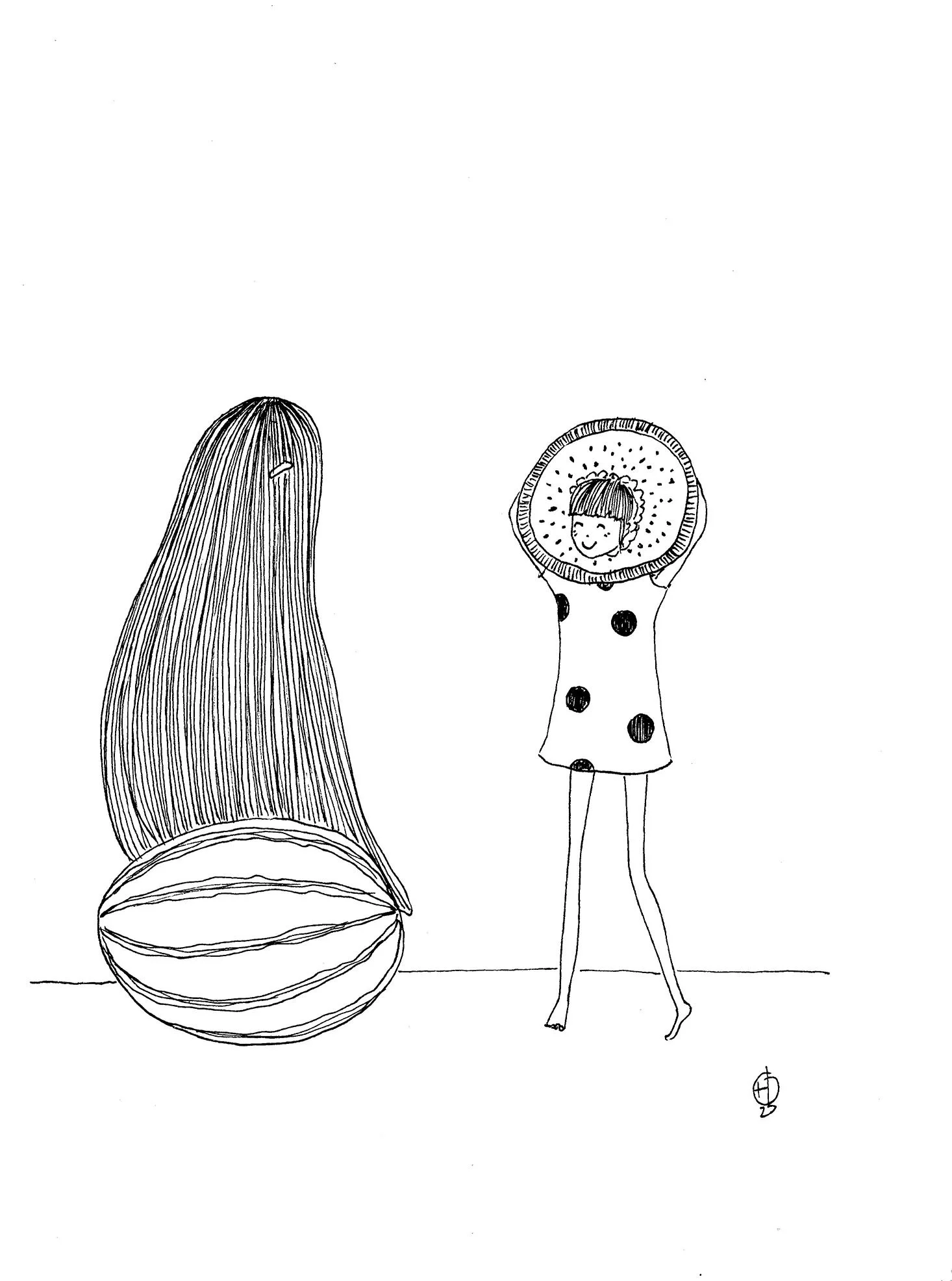
Free Palestine
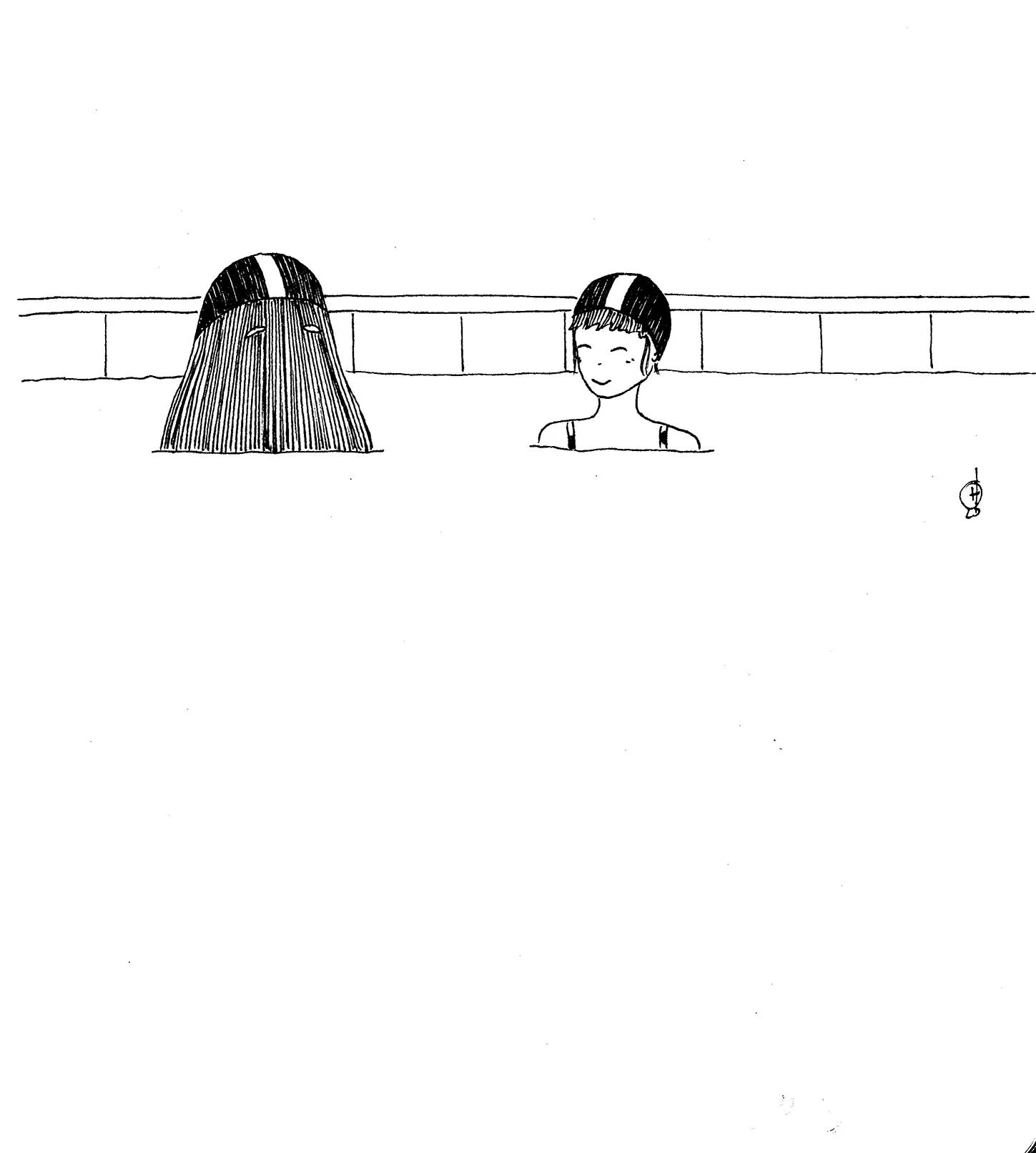
Corks
Untitled
Paired
Interior designing
January